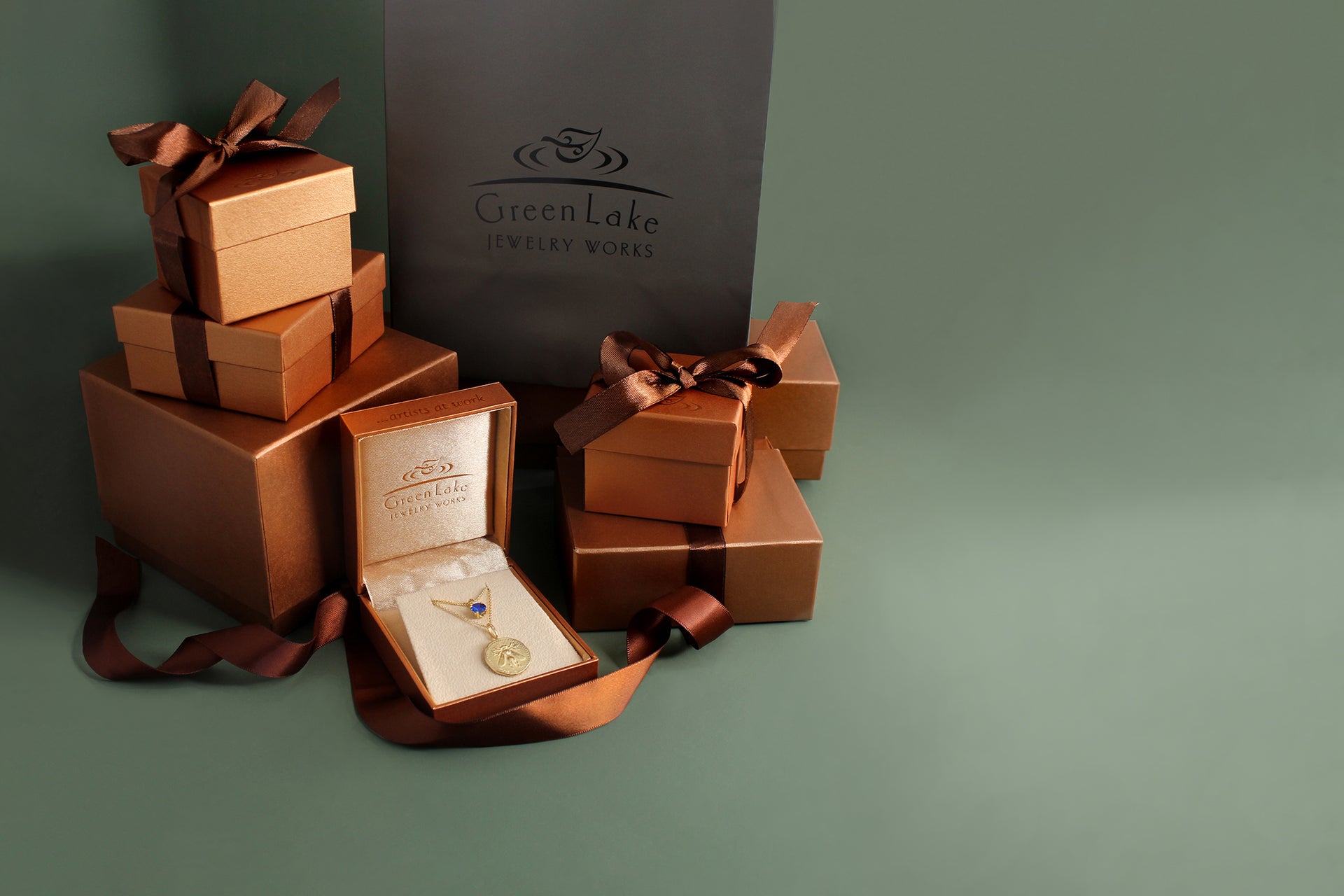
Discover Toby Pomeroy Jewelry studio, a pioneer of ethical luxury and sustainable fine jewelry. At Green Lake Gallery, we’re proud to share jewelry that honors both the earth and the artistry behind it.
How to Care for Your Jewelry

How to Care for Your Jewelry:
Expert Tips from Our Jewelry Studio
Professional jewelry care advice to help your pieces last a lifetime
At our studio, we've spent years handcrafting jewelry and restoring beloved pieces that clients bring in with stories attached: heirlooms, engagement rings, anniversary gifts, and everyday favorites. Whether you're searching for jewelry care tips or wondering how to clean gold jewelry without damaging it, you've come to the right place.
Beautiful jewelry isn't meant to sit in a box. It's meant to be worn, admired, and passed down. But even the finest metals and gemstones are vulnerable to the wear and tear of daily life. The good news? With just a few simple jewelry care habits, you can dramatically extend the life and luster of every piece you own.
Consider this your go-to jewelry care guide, written by the people who make and repair it every day.
Jewelry Care Tips for Everyday Wear
You'd be surprised how much jewelry damage happens in routine, everyday moments. These jewelry care tips can save you from costly repairs down the line:
• Remove jewelry before showering, swimming or applying lotion and perfume. Chemicals and moisture are silent culprits - they dull finishes over time and can weaken gemstone settings in ways that aren't visible until it's too late.
• Skip the jewelry at the gym. Strenuous activity, gripping equipment, and accidental impacts can bend prongs, scratch surfaces, or warp delicate bands.
• Take pieces off before bed. Tossing and turning can tangle necklaces, stress clasps, and bend fine wire work. Rest your jewelry flat overnight to keep its shape.
• Always clasp necklaces before storing them. It takes two seconds and saves you from a frustrating tangle, or worse, a broken chain.
• Treat pearls like the precious organics they are. Never expose them to chemicals, perfumes, or abrasives. A soft cloth is truly all they need to stay glowing.
How to Store Jewelry Properly
Knowing how to store jewelry correctly is one of the most overlooked aspects of jewelry care. Our years of repair work have shown us that improper storage is one of the leading causes of preventable damage.
• Keep jewelry clean and dry. Store pieces in their original pouches or a fabric-lined box: both protect against scratches and moisture.
• Avoid wooden surfaces. Treated wood contains chemicals that can tarnish metals over time.
• Use sealed plastic bags for silver. Press out as much air as possible before sealing to limit moisture exposure.
• Keep gold and silver pieces separate. Gold scratches more easily than you'd think, and silver tarnishes faster when stored alongside other metals and materials (especially leather!)
• Add a silica gel pack alongside silver pieces. Both are excellent at absorbing ambient humidity.
How to Clean Jewelry at Home
Regular at-home cleaning keeps your pieces looking their best between professional visits. Here's how to clean jewelry safely at home, broken down by metal type:
How to Clean Gold Jewelry
Gold is durable but not indestructible. For routine cleaning, warm water with a detergent-free soap and a soft brush or cloth is all you need. Avoid abrasive cleaners that can scratch the surface. Ultrasonic cleaners are safe for solid 14k and 18k gold, and a polishing cloth can revive a dulled finish quickly.
How to Clean Sterling Silver Jewelry
Silver tarnishes. It's simply in its nature. One of the most common questions we hear is how to prevent silver from tarnishing. The answer: wipe it regularly with a soft, dry cloth to prevent buildup before it starts. For existing tarnish, a silver polishing cloth works wonderfully, as does our Jewelry Care Kit, available in the studio. Ultrasonic cleaners are safe for non-oxidized sterling silver.
How to Care for Oxidized & Patina Silver
Oxidized silver has an intentionally darkened, aged finish that gives it its distinctive character — and that patina needs to be preserved, not accidentally polished away.
Here's what to keep in mind:
• Rings and bracelets will naturally evolve more quickly due to contact with your skin — this is expected and part of what makes each piece unique.
• Recessed patina areas hold their dark tone longer than raised surfaces, which may gradually lighten with wear.
To clean oxidized pieces, use only mild dish soap and warm water — ideally, use your hands rather than a cloth on the darkened areas. Rinse thoroughly and pat dry without rubbing. Never use polishing cloths or silver dip solutions, as they will strip the patina.
How to Care for Opal Jewelry
Opals are among the most breathtaking gemstones in the world — and among the most delicate. Knowing how to care for opal jewelry properly is essential to preserving their famous play of color for years to come.
Most Ethiopian opals are hydrophane, meaning they can actually absorb water like a sponge. Too much moisture can dull their signature play of color or cause structural damage. But storing opals in an overly dry environment — like a dehumidified safe deposit box — can cause them to lose moisture and crack. Balance is everything.
Keeping Opals Dry
• Remove opal jewelry before washing hands, showering, doing dishes, or swimming.
• Avoid prolonged contact with oils, lotions, perfumes, or sweat.
• If a piece does get wet, pat it gently with a soft microfiber cloth and let it air-dry naturally. Never use a hair dryer or any heat source.
Cleaning & Protecting Opals
• Never use ultrasonic cleaners, steamers, or chemical solutions on opals.
• A clean, soft microfiber cloth is all you need to gently wipe the surface.
• Opals sit at 5.5-6.5 on the Mohs hardness scale, making them softer than many other gems. Remove opal pieces before housework, sports, gardening, or any activity where impact is likely.
Additional Jewelry Protection Tips
• Avoid harsh chemicals. Bleach, chlorine, and many skincare products can cause irreversible damage to both metals and stones. When in doubt, take it off.
• Protect from direct sunlight. UV exposure can fade and dull certain gemstones over time, especially softer or more porous stones.
• Insure valuable pieces. Accidents happen. The peace of mind that comes with jewelry insurance is genuinely priceless.
Professional Jewelry Cleaning & Repair Near You
Even with the best at-home jewelry care, professional attention makes a real difference. If you've been searching for jewelry repair near you, or wondering whether a damaged piece can be saved - the answer is usually yes, and we'd love to help.
We offer complimentary professional jewelry cleanings and check-ups at our Seattle and Bellevue studios. When you bring a piece in, we'll inspect the settings, check for loose stones, assess clasps and prongs, and give everything a thorough clean. Many small issues, like a slightly bent prong, a loose stone, early tarnish - are completely fixable when caught early. Left unaddressed, they can become much larger problems.
Our jewelry repair and restoration services cover everything from bent prong repair and ring resizing to full heirloom jewelry restoration, re-oxidizing, and rhodium plating. Every repair is handled in-house, with the same care that goes into every piece we make from scratch.
Stop by anytime — we'd love to see your pieces and make sure they're as beautiful as the day you got them.

Frequently Asked Questions About Jewelry Care
How often should I get my jewelry professionally cleaned?
We recommend bringing your jewelry in for a professional cleaning and inspection at least once a year - twice a year for engagement rings and wedding bands that are worn daily. Regular check-ups allow us to spot small issues like a loosening prong or early tarnish before they become costly repairs.
Can jewelry be repaired if a stone falls out?
In most cases, yes. A lost precious stone can often be replaced, and the setting can be repaired or re-tipped to prevent it from happening again. The sooner you bring it in, the better — continuing to wear a piece with a damaged setting can cause further damage to the metal.
Is it worth repairing old or heirloom jewelry?
Absolutely. Heirloom jewelry repair is one of our most meaningful services. Whether it's a grandmother's ring, a vintage brooch, or a piece that simply needs a second life, jewelry restoration can bring even heavily worn pieces back to their original beauty - and their sentimental value is irreplaceable.
How do I keep silver jewelry from tarnishing?
Store silver in a sealed bag with a silica pack or chalk, wipe it regularly with a soft cloth, and keep it away from humidity, sunlight, and harsh chemicals. For pieces you wear often, consistent wear actually helps — the natural oils in your skin can slow tarnishing on frequently worn silver.
What jewelry should I take off before swimming or showering?
All of it. Chlorine in pools and chemicals in soaps, shampoos, and conditioners can dull finishes, weaken settings, and damage porous gemstones like opals and pearls. It only takes a moment to remove your jewelry and protect it from potentially irreversible damage.
Questions? We're Here.
Whether you need a cleaning, a repair, or just some advice on caring for a special piece, our studio is always happy to help. Stop in to browse our Jewelry Care Kit and get a complimentary consultation from our team.
Next article

Toby Pomeroy Jewelry